 Contactless
Dojo Go contactless terminal
From 0.55%
per transaction
£15
monthly fee
Contactless limit: £100 per tap
Payout: Next day, 7 days a week
Weekend settlement included
Compare providers for contactless card, Apple Pay and Google Pay acceptance — speed up your queue and cut the cost of every tap.
Trusted choice
Rated 4.9 out of 5
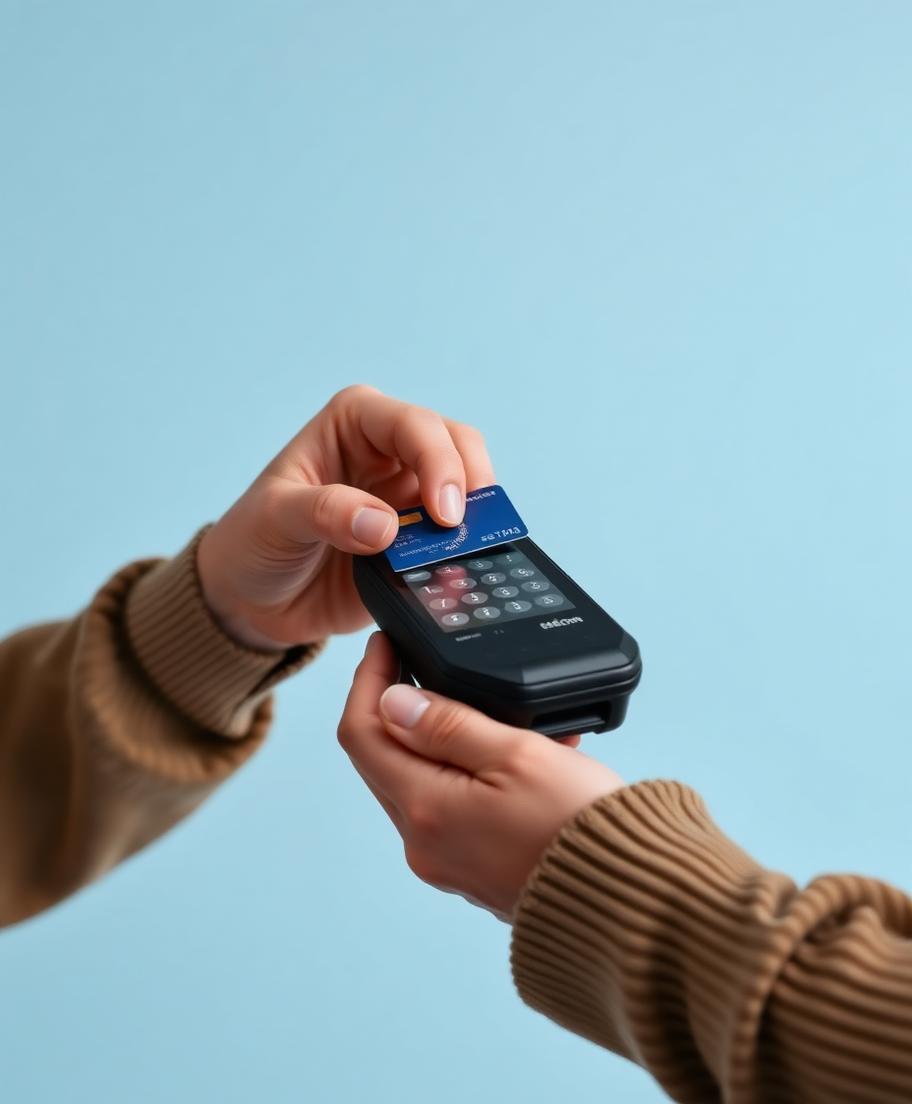 Contactless
 Contactless
 Contactless
Deal tables sorted by transaction rate (low to high)
Rates shown are indicative and depend on your card turnover, average transaction value and business type. Final pricing is confirmed by the provider after your quote.

Contactless payments let a customer tap a card, phone or watch against your terminal instead of inserting a card and entering a PIN. The transaction is authorised in about a second.
UK contactless card taps are capped at £100, but payments made through Apple Pay, Google Pay and other authenticated wallets have no upper limit, because the device verifies the customer.
A contactless tap clears in around a second versus 15–20 for chip and PIN — a real difference at peak trading.
Frictionless payment lifts add-on purchases, particularly in hospitality and convenience retail.
Less cash means fewer banking trips, less float to manage and less shrinkage risk.
Apple Pay, Google Pay, Samsung Pay and wearables should all be accepted as standard, with no extra fee.
Fixed pence-per-transaction fees hurt if your average sale is small. Percentage-only pricing usually suits low-ticket businesses.
Ask about average authorisation time and offline tolerance — a slow terminal at a lunchtime rush costs sales.
Tokenisation means the real card number is never shared, and wallet payments carry device-level authentication.
Some providers let you take contactless straight on an iPhone or Android device, with no reader at all.
Emailed or texted receipts cut paper costs and give you an opted-in customer contact list.
The customer holds their card, phone or watch near the terminal, and NFC transfers an encrypted, tokenised version of the card details.
Your provider routes the payment to the card scheme and the issuer for authorisation.
Approval comes back in around a second and the sale completes — no PIN for card taps under £100.
Funds settle into your business bank account on your provider's normal payout schedule, usually the next working day.
If you have queues or a high volume of low-value sales — cafés, bakeries, bars, convenience stores — contactless pays for itself in throughput alone.
For higher-value sales, mobile wallets matter more than card taps because they aren't limited to £100.
There's rarely a reason to avoid it: every current UK terminal supports contactless at the same rate as chip and PIN.

Look at your average transaction value. Low-ticket businesses should avoid pricing with a fixed pence fee per sale and favour a clean percentage. High-volume businesses should push for interchange-plus pricing, where debit taps settle at a fraction of a blended rate. Then check settlement — weekend payouts matter if your busiest days are Saturday and Sunday.
Encourage debit taps over commercial credit cards, since debit interchange is capped and far cheaper. Review your statement for PCI and minimum monthly fees, and if you only need contactless occasionally, consider Tap to Pay on your phone instead of renting a terminal you barely use.
These guides might help.

Interchange, scheme and acquirer fees explained — and how to spot the ones you can cut…

What UK providers check, how long approval takes and when an ISO beats a bank…

The compliance basics every business taking card payments has to meet…
The single-transaction contactless card limit is £100, with a cumulative limit of £300 before a PIN is requested. Apple Pay, Google Pay and similar wallets have no upper limit because the device authenticates the customer.
No. Providers charge the same rate whichever way the card is presented. Your cost depends on the card type — debit, credit or commercial — not the method.
Yes. Tap to Pay on iPhone and Android lets you accept contactless cards and wallets directly on a supported phone with no extra hardware, through providers such as Stripe, SumUp and Square.
Yes. Card details are tokenised, each tap is uniquely encrypted, and periodic PIN checks limit fraud on lost cards. Mobile wallets add fingerprint or face authentication on top.
Ask the customer to insert the card and enter their PIN. Declines are usually caused by the cumulative £300 limit rather than a lack of funds.
No. Apple Pay, Google Pay and Samsung Pay are accepted through your existing contactless terminal at no extra cost and with no additional agreement.
Our services are provided at no cost to you. We may receive a commission from the companies we refer you to, but this does not affect what you will pay for the product you choose.
Written by the Grow Your Business payments team · Updated on 21 March 2026